
Kathrein Solutions
Kathrein Solutions
Firma
Kathrein Solutions to renomowana niemiecka firma o głęboko zakorzenionej tradycji, będąca pionierem w produkcji anten radiowych w Niemczech. Z biegiem lat firma rozwijała swoją działalność, wchodząc również w obszar elektromobilności i infrastruktury ładowania pojazdów elektrycznych, zacieśniając współpracę m.in. z Ericsson i Nokia. Pośród firm należących do Grupy Kathrein znajduje się Kathrein Solutions GmbH, specjalizująca się w produkcji nowoczesnych stacji ładowania pojazdów elektrycznych.
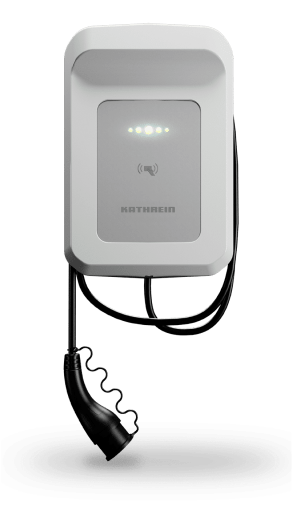
Firma ma swoją siedzibę w Rosenheim w Bawarii. KATHREIN Solutions GmbH skupia się na produkcji różnorodnych typów stacji ładowania samochodów elektrycznych, z naciskiem na urządzenia wykorzystujące prąd zmienny (AC), takie jak wallboxy i inteligentne ładowarki AC do pojazdów elektrycznych. Ich klientami są m.in.: właściciele prywatnych domów, hotele, firmy oraz operatorzy parkingów, którzy chcą oferować ładowanie samochodów elektrycznych jako element nowoczesnych usług dla swoich użytkowników.
Projekt
Stworzyliśmy aplikację mobilną do obsługi stacji ładowania pojazdów elektrycznych, która umożliwia zarządzanie procesem ładowania zarówno dla użytkownika końcowego, jak i operatora infrastruktury ładowania. Aplikacja do ładowania samochodów elektrycznych pozwala na planowanie i monitorowanie czasu ładowania, zapewniając optymalne korzystanie z zasobów energetycznych i pełną kontrolę nad sesjami ładowania.
Cele projektu
Realizacja cyfrowej transformacji, która ułatwia klientom korzystanie ze stacji ładowania samochodów elektrycznych poprzez nowoczesną i intuicyjną aplikację mobilną do ładowania pojazdów elektrycznych.
Zwiększenie efektywności i wygody procesu ładowania pojazdów elektrycznych (EV) dla użytkowników prywatnych oraz firm.
Umożliwienie użytkownikom elastycznego planowania i nadzorowania procesu ładowania, w tym kontroli czasu ładowania, mocy i kosztów energii.
Efektywna integracja aplikacji mobilnej z systemem stacji ładowania (backendem i oprogramowaniem ładowarki), co umożliwia sprawną komunikację i pełną kontrolę nad procesem ładowania pojazdów elektrycznych.
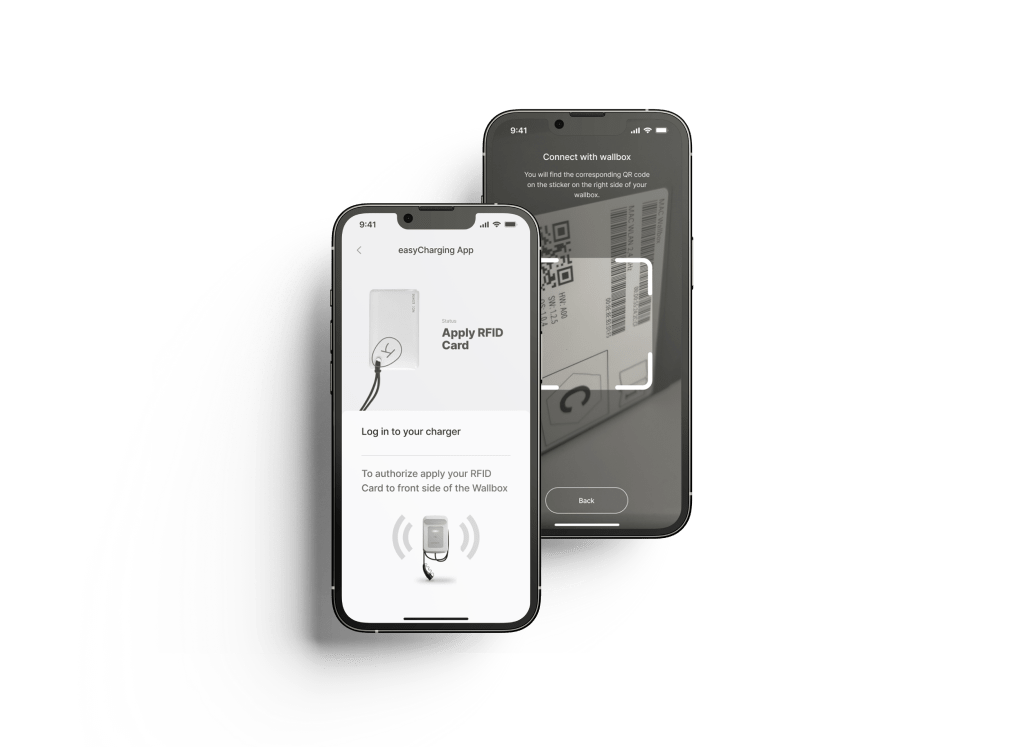
Kluczowe możliwości aplikacji mobilnej do obsługi stacji ładowania samochodów elektrycznych
Zarząd firmy chciał dokonać cyfrowej transformacji, ułatwiając klientom korzystanie ze stacji ładowania pojazdów elektrycznych oraz unowocześniając dotychczasowe procesy. Klienci zyskują teraz możliwość podłączenia swojego pojazdu elektrycznego do ładowarki bez potrzeby posiadania fizycznego tokena – tradycyjnego rozwiązania spotykanego w wielu systemach ładowania.
Aplikacja działa w ramach sieci wewnętrznej (prywatnej sieci ładowania), co oznacza, że korzystanie ze stacji nie generuje opłat publicznych ani konieczności integracji z zewnętrznymi operatorami sieci ładowania. To idealne rozwiązanie dla firm i hoteli, które chcą oferować ładowanie pojazdów elektrycznych jako dodatkową usługę, nie pobierając przy tym opłat od użytkowników lub samodzielnie definiując własny model rozliczeń.
Pierwsze skorzystanie z usługi wymaga jednorazowej walidacji poprzez czytnik RFID, jednak po tej autoryzacji użytkownicy mogą korzystać ze stacji ładowania za pomocą aplikacji mobilnej, eliminując potrzebę posiadania fizycznego nośnika. Zastosowano rozwiązanie autoryzacji ładowania poprzez skanowanie kodów QR, umożliwiając aktywację ładowania przy użyciu smartfona bezpośrednio przy stacji ładowania. To nie tylko zwiększa wygodę użytkowników, ale także eliminuje potencjalne problemy związane z utratą tokena RFID i upraszcza obsługę systemu ładowania pojazdów elektrycznych.
Wyzwania
Projekt wymagał nie tylko napisania nowej aplikacji mobilnej do obsługi stacji ładowania, ale także przekształcenia całego istniejącego systemu, który znajdował się w samej stacji ładowania. To wyzwanie pojawiło się w trakcie projektu, a konieczność poprawy oprogramowania była dodatkowym krokiem. Istniejące oprogramowanie wbudowane nie było pierwotnie dostosowane do efektywnej współpracy z nową aplikacją do ładowania pojazdów elektrycznych. To wymagało modyfikacji kodu po stronie urządzenia.
Stworzyliśmy nowy, niezależny komponent, który sterował procesami ładowania i uzupełniał brakujące funkcjonalności związane m.in. z autoryzacją użytkowników, obsługą RFID oraz komunikacją z aplikacją mobilną.
Dodatkowym wyzwaniem było wykorzystanie ograniczonych zasobów systemu stacji ładowania. Niewystarczająca ilość pamięci RAM i ograniczona moc obliczeniowa procesora wymagały elastyczności, optymalizacji kodu oraz bardzo wydajnego zarządzania zasobami. Wszystkie rozwiązania musiały być zaprojektowane tak, aby działały stabilnie na sprzęcie o ograniczonych możliwościach, jednocześnie zapewniając niezawodną pracę stacji ładowania samochodów elektrycznych.
Rozwiązania

W realizacji aplikacji dla Kathrein Solutions GmbH zastosowano technologię Flutter. Flutter umożliwia pisanie jednego kodu, który można dostosować do różnych platform, takich jak Android, iOS i interfejs webowy. To nie tylko oszczędność czasu, ale także znaczna redukcja kosztów, gdyż nie ma potrzeby tworzenia oddzielnych rozwiązań natywnych dla każdej platformy. Jedna aplikacja cross-platformowa oznacza jedno źródło kodu obsługujące wszystkie urządzenia użytkowników końcowych korzystających ze stacji ładowania pojazdów elektrycznych.

Opracowaliśmy oprogramowanie na ładowarkę, korzystając z języka Go Lang. Wdrożenie tej technologii okazało się kluczowe dla skutecznego osiągnięcia celów projektu. Zastosowanie Go Lang umożliwiło zoptymalizowanie wszystkich procesów związanych z ładowaniem pojazdu elektrycznego i komunikacją ze stacją ładowania AC. System pełni rolę API dla aplikacji mobilnej, jest to fundament, na którym bazuje cała interakcja między stacją ładowania a aplikacją mobilną.
Kluczowe funkcjonalności, takie jak rozpoczęcie i zakończenie ładowania, integracja kart RFID, obsługa kodów QR oraz pobieranie danych statystycznych o zużyciu energii zostały zaimplementowane w Go Lang, co pozwoliło na ich publikację jako stabilnego API dostępnego dla aplikacji mobilnej i paneli operatorskich. Nasze podejście umożliwiło łatwe nawiązanie połączenia i skuteczne korzystanie z funkcji ładowarki w różnych scenariuszach, od prywatnego domu po parking firmowy.
Obsługa stacji ładowania bez fizycznych tokenów
Operator posiada szerszy zakres uprawnień, w tym tworzenie kont użytkowników poprzez rejestrowanie kart RFID. Po dodaniu karty RFID przez operatora i jej aktywowaniu przez klienta, można zalogować się jako zwykły użytkownik. To umożliwia korzystanie ze stacji ładowania pojazdów elektrycznych w sposób prosty i bezpieczny. Aplikacja daje pełną kontrolę nad procesem ładowania, umożliwiając planowanie ładowania lub natychmiastowe uruchamianie i zakończanie tego procesu za pomocą smartfona, zarówno w przypadku ładowarek montowanych w domach prywatnych, jak i na firmowych parkingach.
Administrowanie aplikacją jest intuicyjne i dostosowane do potrzeb użytkowników oraz operatorów stacji ładowania. Zaawansowane funkcje statystyczne i raportowe pozwalają na szczegółową analizę kosztów pobieranej energii, prezentując dane na przestrzeni miesięcy, dni i tygodni. Użytkownicy mają również dostęp do informacji dotyczących poboru mocy, ilości zużytych kilowatogodzin, historii ładowania oraz kosztów związanych z ładowaniem pojazdu elektrycznego.
Sztuczna inteligencja
i Kubernetes
Dodatkowo zastosowano sztuczną inteligencję i Kubernetes w warstwie serwerowej systemu, co pozwoliło na inteligentne skalowanie usług, lepsze zarządzanie obciążeniem oraz zapewnienie wysokiej dostępności rozwiązania w środowisku produkcyjnym.
Rezultaty
- Stworzenie aplikacji mobilnej przy użyciu technologii Flutter pozwala na korzystanie z jednego źródła kodu dla Android i iOS, zapewniając spójne doświadczenie użytkownika podczas obsługi stacji ładowania pojazdów elektrycznych.
- Skuteczna integracja aplikacji z oprogramowaniem stacji ładowania, umożliwiając pełną kontrolę nad procesem ładowania z poziomu smartfona.
- Wykorzystanie technologii Go Lang do optymalizacji zasobów systemu stacji ładowania zapewnia płynne funkcjonowanie urządzeń nawet przy ograniczonej mocy obliczeniowej i pamięci RAM, co jest kluczowe dla niezawodnej pracy infrastruktury ładowania.
- Zaawansowane funkcje statystyczne i raportowe umożliwiają użytkownikom oraz operatorom szczegółową analizę kosztów pobieranej energii, historii ładowania, poboru mocy i innych parametrów, wspierając efektywne zarządzanie infrastrukturą ładowania pojazdów elektrycznych i podejmowanie lepszych decyzji biznesowych.